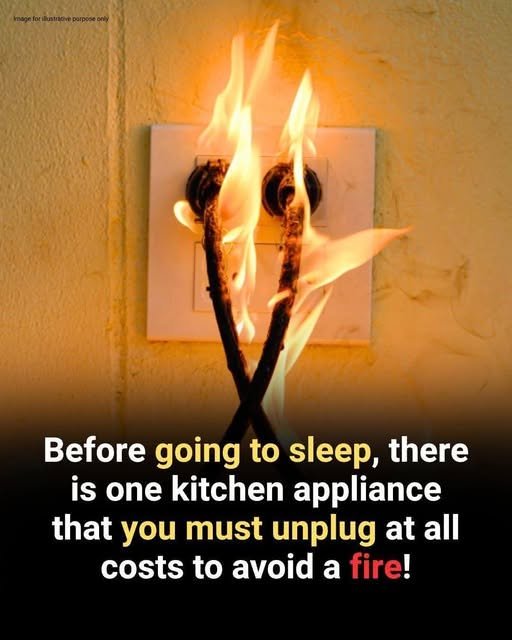
Not every appliance that remains plugged in will cause a fire. Modern electrical devices are designed with safety features, and many can remain connected according to their manufacturers’ instructions.
However, electrical problems can develop over time.
Some potential warning signs include:
Damaged electrical cords: Cracked insulation, exposed wires, or loose connections can increase the risk of electrical shock and fire.
Overheating plugs: A plug or outlet that becomes unusually warm may indicate an electrical problem.
Burning smells: A persistent burning or rubber-like smell should never be ignored.
Sparks: Sparks coming from an outlet or electrical connection require immediate attention.
Discolored outlets: Brown or black marks around an outlet may indicate overheating or electrical damage.
If you notice any of these warning signs, stop using the appliance and arrange for a qualified electrician to inspect the problem.
Do not attempt electrical repairs yourself.
Kitchen Appliances You Should Not Unplug Every Night
It is important to understand that not every appliance should be disconnected from electricity before bedtime.
Some household appliances are designed to operate continuously.
These may include:
Refrigerators.
Freezers.
Essential medical equipment.
Security systems.
Equipment that needs continuous power according to its manufacturer’s instructions.
Unplugging a refrigerator or freezer overnight could cause food to spoil, especially if the power remains disconnected for an extended period.
Major appliances should also be connected directly to suitable wall outlets rather than ordinary extension cords or overloaded power strips.
Always follow the manufacturer’s recommendations.
10 Kitchen Fire Prevention Habits to Follow Every Night
Before leaving the kitchen and going to bed, take a few minutes to complete this simple safety routine.
Check the stove: Make sure all burners are completely switched off.
Check the oven: Confirm that cooking has finished and the oven is off.
Unplug the toaster: Disconnect it when it is not in use.
Check the coffee maker: Make sure it is switched off and safely disconnected when appropriate.
Check the air fryer: Confirm that the cooking cycle has ended.
Inspect electrical cords: Look for visible cracks, damage, or exposed wires.
Clear the countertops: Move paper towels, plastic packaging, and kitchen cloths away from heat sources.
Clean cooking equipment: Remove grease and food residue regularly.
Avoid overloaded outlets: Never connect too many high-power appliances to one outlet or power strip.
Check your smoke alarms: Make sure they are working and have functioning batteries.
These simple habits can help reduce preventable household fire hazards.
What Should You Do If an Electrical Appliance Starts Burning?
Knowing how to respond to an electrical fire is just as important as preventing one.
If an appliance catches fire:
Keep yourself and everyone else at a safe distance.
Do not touch the burning appliance or its electrical cord.
Never pour water onto an electrical fire.
If it is safe to do so, disconnect the power without approaching the fire.
If the fire spreads or cannot be controlled immediately, evacuate the home.
Call your local fire and emergency services from a safe location.
Do not put yourself in danger trying to save an appliance or personal belongings.
Your safety and the safety of your family must always come first.
Frequently Asked Questions
1. Should I unplug my toaster before going to bed?
Yes. Unplugging a portable toaster when it is not in use is a sensible safety precaution. Regularly clean its crumb tray and inspect the electrical cord.
2. Can a coffee maker cause a fire when it is switched off?
A faulty appliance or damaged electrical connection can still present a hazard while connected to power. Unplugging it when not in use, if permitted by the manufacturer, reduces unnecessary electrical exposure.
3. Should I unplug my air fryer every night?
It is generally good practice to switch it off and unplug it after use, once it has cooled sufficiently and according to the manufacturer’s instructions.
4. Is it safe to leave a refrigerator plugged in overnight?
Yes. Refrigerators and freezers are designed to remain connected and operate continuously. They should not be routinely unplugged overnight.
5. What are the warning signs of a dangerous electrical outlet?
Watch for unusual warmth, burning smells, discoloration, buzzing sounds, loose plugs, or visible sparks. Have a qualified electrician inspect any outlet showing these signs.
6. Do modern appliances still need to be unplugged?
Modern appliances often include safety features, but these do not eliminate every possible electrical risk. Unplugging small portable appliances when they are not being used is a useful precaution.
Final Thoughts: A Few Minutes Before Bed Could Make Your Home Safer
Most household fires are not something people expect to happen. That is why prevention and everyday awareness are so important.
Before going to sleep tonight, take a moment to look around your kitchen.
Check your toaster, coffee maker, air fryer, electric kettle, and other small cooking appliances. Make sure everything is switched off, unplug portable devices when appropriate, and never ignore damaged cords or suspicious electrical smells.
Remember that a safe kitchen is not just about having modern appliances. It is also about using them correctly, maintaining them properly, and developing good daily habits.
Share this article with your family and friends. A simple reminder about electrical safety could help someone prevent a dangerous situation in their home.